PSLF Buyback Is Getting More Attention—But It’s Not a Fast Fix
As student loan repayment continues to shift in 2026, more borrowers are hearing about a lesser-known option tied to Public Service Loan Forgiveness (PSLF): PSLF Buyback.
For some borrowers, PSLF Buyback could unlock forgiveness months—or even years—sooner by allowing certain non-payment periods to count toward the required 120 qualifying PSLF payments.
But while the opportunity is real, so are the complications.
Backlogs are growing, repayment rules are changing rapidly, and many borrowers still don’t fully understand how Buyback works—or whether it’s worth pursuing.
Here’s what borrowers need to know.
Key Takeaways
- PSLF Buyback allows eligible borrowers to retroactively receive PSLF credit for certain deferment or forbearance periods.
- Borrowers must already have enough qualifying employment to reach 120 months once the Buyback period is included.
- SAVE plan forbearance periods may qualify for Buyback.
- Processing delays are substantial, with tens of thousands of applications currently backlogged.
- Borrowers often need to continue making payments while waiting for a decision.
- Ongoing repayment plan changes are making student loan guidance more important than ever.
What Is PSLF Buyback?
PSLF Buyback is a federal process that allows borrowers pursuing Public Service Loan Forgiveness to “buy back” specific periods where payments normally would not count toward PSLF.
Instead of losing credit for certain deferments or forbearances, borrowers may be able to retroactively make payments for those months and have them added toward their 120-payment PSLF requirement.
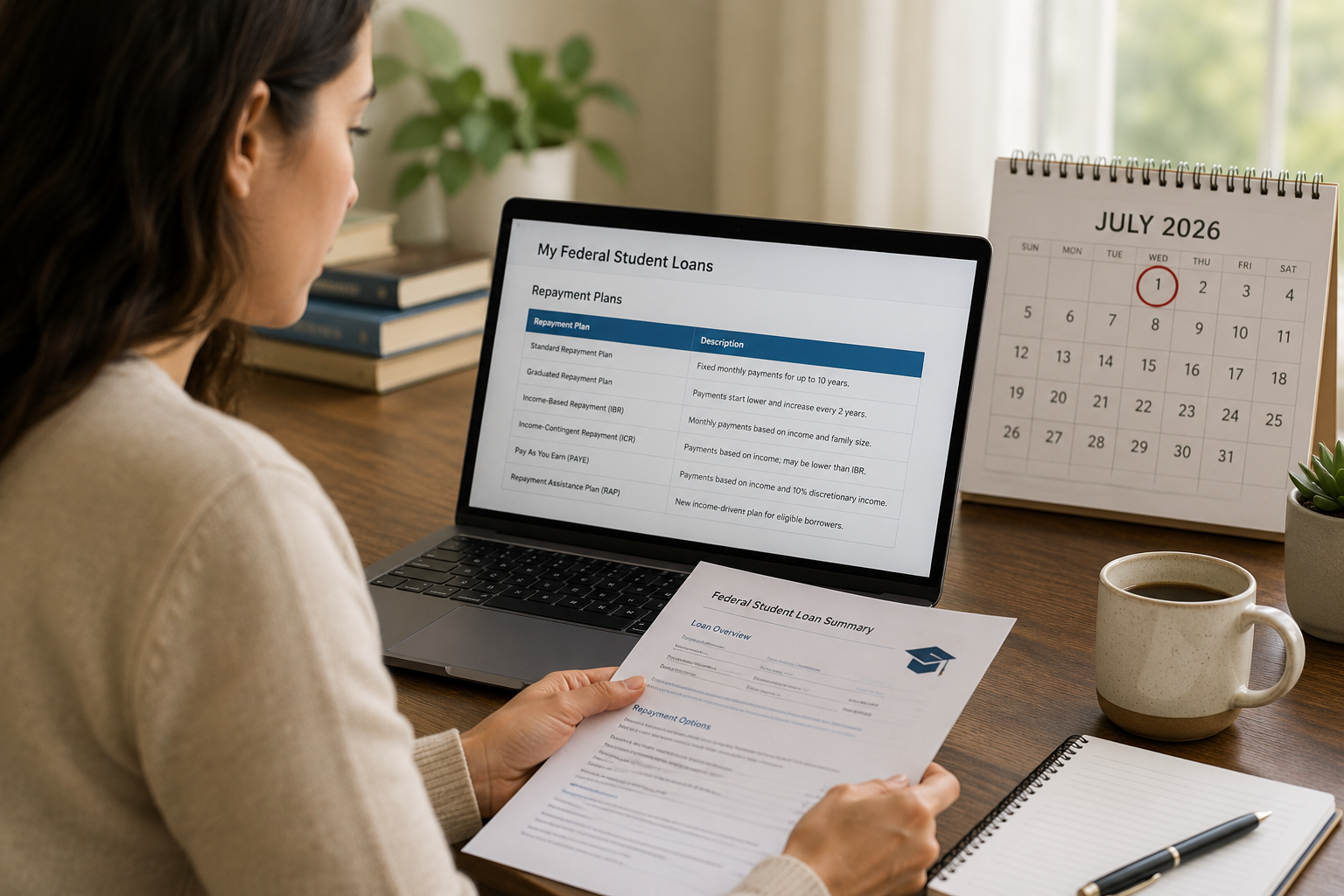
The program is especially relevant right now because many borrowers were placed into administrative or SAVE-related forbearances during ongoing legal and policy changes.
For borrowers already close to forgiveness, Buyback can potentially accelerate the finish line.
Who Qualifies for PSLF Buyback?
Not every borrower—or every loan period—qualifies.
To be eligible, borrowers generally must:
- Have Direct federal student loans
- Work full-time for a qualifying public service employer
- Certify qualifying employment
- Have enough eligible employment months to reach 120 PSLF payments once the Buyback period is added
In other words, borrowers cannot apply simply because they had a forbearance period. The Buyback period must help complete the final path to PSLF forgiveness.
Which Periods Can Potentially Be Bought Back?
Eligible periods may include:
- Certain deferments
- Certain forbearances
- SAVE-related forbearance periods
However, several periods remain ineligible, including:
- In-school deferment
- Grace periods
- Default periods
- Bankruptcy periods
- Time before a federal loan consolidation
- Non-Direct federal loans such as FFEL or Perkins loans
Understanding these distinctions is critical because many borrowers incorrectly assume all paused-payment periods automatically qualify.
How Buyback Payments Are Calculated
The amount borrowers pay to complete a PSLF Buyback depends largely on their repayment history and income during the affected time period.
In many cases, the Department of Education estimates what the borrower would have paid under an income-driven repayment (IDR) plan during those months.
That calculation may involve:
- Prior tax returns
- Income documentation
- Existing repayment plan details
Recent policy changes have also created new complications. Notably, the SAVE repayment formula can no longer be used as the basis for Buyback calculations.
That matters because SAVE often produced the lowest monthly payments for borrowers.
The Biggest Problem: Delays
One of the most important realities borrowers need to understand is this:
PSLF Buyback is moving extremely slowly.
Application backlogs have grown significantly over the past year, and many borrowers report waiting months—or longer—without clear updates.
Adding to the frustration:
- Loan servicers often cannot provide status information
- Communication from federal systems can be inconsistent
- There is currently no reliable expedited process
For borrowers nearing forgiveness, this uncertainty creates difficult financial decisions.
Should Borrowers Keep Making Payments While Waiting?
This is one of the most common—and most stressful—questions.
Borrowers generally face two options:
Option 1: Pause Payments
Some borrowers request forbearance while waiting for a Buyback decision.
Potential advantage:
- No monthly payment obligation during the waiting period
Potential risks:
- Interest continues accruing
- Time may not count toward PSLF if Buyback is denied
- Processing delays could outlast the forbearance period itself
Option 2: Continue Making Payments
Others continue paying under an income-driven repayment plan while pursuing Buyback simultaneously.
Potential advantage:
- Creates a second path toward forgiveness
- Prevents borrowers from losing progress if Buyback stalls
Potential downside:
- Borrowers may ultimately pay more than necessary
There’s no universal answer, which is why personalized guidance has become increasingly important.
Why PSLF Borrowers Are Especially Confused Right Now
PSLF Buyback is arriving during one of the most unstable periods in federal student loan repayment history.
Several major changes are unfolding simultaneously:
- The SAVE plan is ending
- Repayment plans like PAYE and ICR are being phased out over time
- A new Repayment Assistance Plan (RAP) is expected to launch
- Parent PLUS repayment options are tightening significantly
For borrowers trying to make long-term financial decisions, the landscape is becoming increasingly difficult to navigate without expert support.
Why This Matters for Employers, Too
Student loan confusion doesn’t stay personal—it affects the workplace.
Employees dealing with repayment uncertainty often experience:
- Financial stress
- Burnout
- Reduced productivity
- Delayed retirement savings
- Increased likelihood of leaving for higher-paying opportunities
As repayment rules continue changing, employers are increasingly recognizing that student loan guidance is no longer just a “financial wellness perk.”
It’s becoming an important retention and workforce support strategy.
Organizations that provide education, navigation, and repayment assistance can help employees make informed decisions during a time of enormous complexity.
Final Thoughts
PSLF Buyback has created a meaningful opportunity for some borrowers to move closer to forgiveness faster.
But it’s not simple, automatic, or fast.
Borrowers need to carefully evaluate eligibility, repayment options, timing, and long-term financial impact before pursuing Buyback—and many will benefit from professional guidance along the way.
With repayment systems changing rapidly in 2026, informed decision-making matters more than ever.
FAQ
Does SAVE plan forbearance count toward PSLF?
Not automatically. However, some SAVE-related forbearance periods may potentially qualify through PSLF Buyback.
Can I apply for PSLF Buyback before reaching 120 months?
No. Borrowers generally must have enough qualifying employment for the Buyback period to complete the 120-payment PSLF requirement.
Will my loan servicer know my Buyback status?
Usually not. Many borrowers report that servicers have limited visibility into Buyback processing.
Can Parent PLUS borrowers use PSLF Buyback?
Potentially, but Parent PLUS borrowers face separate repayment eligibility restrictions and should review consolidation and IDR requirements carefully.
Is PSLF going away?
No. PSLF remains active, although future eligibility rules and repayment programs may continue evolving.

Recent articles